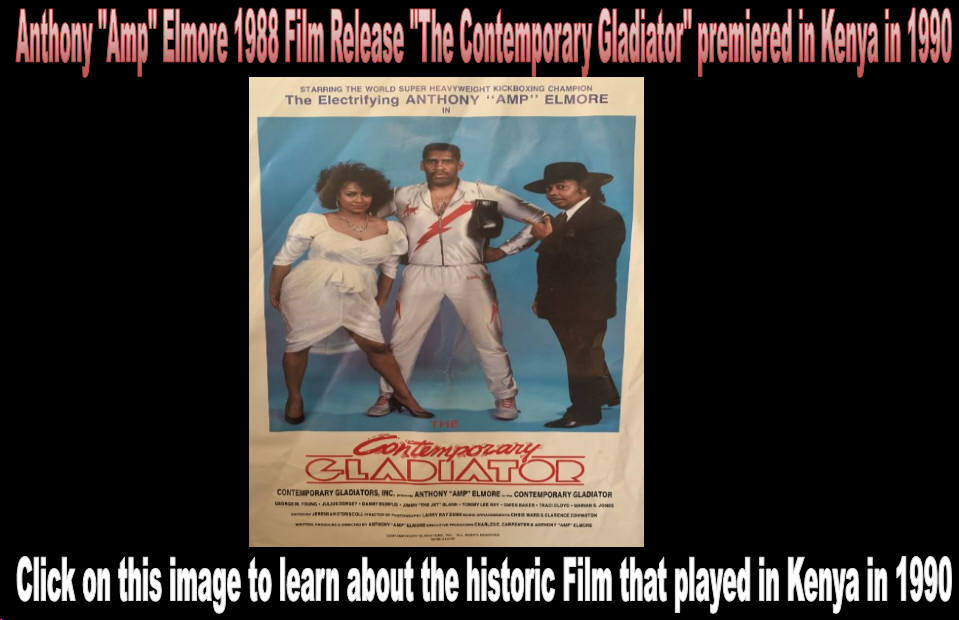
Produced in the historic Black community of Orange Mound in Memphis, Tennessee, the 1988 independent 35mm theatrical film *The Contemporary Gladiator* stands as a monumental, multifaceted milestone in global cinema, Black history, and international cultural diplomacy.
Written, produced, and starring five-time World Heavyweight Kickboxing Champion Anthony "Amp" Elmore, this production broke unprecedented ground long before mainstream recognition caught up. Despite its documented theatrical premiere in Memphis, the film was systematically marginalized and erased from local cinematic records due to racial dynamics and institutional neglect, which racially credited the 1989 film *Mystery Train* as the city’s first independent theatrical feature. In truth, *The Contemporary Gladiator* is Memphis’s true first independent 35mm theatrical release, emerging not from traditional Hollywood infrastructure, but directly from the creative resilience and self-determination of Orange Mound.
Beyond its local significance, *The Contemporary Gladiator* holds a series of historic firsts in world film history that transformed international cinema. It is the very first kickboxing feature film ever produced in world history, establishing a genre template and shattering the conventional Asian dominance of the martial arts cinematic narrative by placing a Black world champion at the center of the story. Furthermore, it holds the distinction of being the first Buddhist biopic in world cinema, predating the 1993 Tina Turner biographical film by five years, as well as the first theatrical biopic of a living martial artist and world champion to predate major Hollywood biopics like *Dragon: The Bruce Lee Story*.
By chronicling the spiritual, athletic, and personal journey of an African American champion, the film redefined how Black excellence, philosophy, and combat sports could be authentically represented on the global screen.
The film’s international trajectory cemented its role as a historic catalyst for African and African American economic unity. In August 1990, as documented in regional publications such as the *Coastweek* newspaper, *The Contemporary Gladiator* premiered across Kenya, drawing audiences to major theatrical screenings at the Lotus Cinema in Mombasa and venues in Nairobi with Anthony "Amp" Elmore in attendance. This theatrical distribution was not merely a cultural event; it constituted the first recorded industrial trade deal between an African sovereign government and an African American-owned enterprise.
By importing and distributing an independent Black American production through official Kenyan channels, the release established a direct commercial and cultural pipeline across the Atlantic, bypassing conventional corporate gatekeepers.
This historic cinematic release laid the foundation for enduring cultural diplomacy between the people of Kenya and Black America. The bridges built during the 1990 Kenyan theatrical run evolved into decades of cross-continental collaboration, exchange, and community development.
That legacy continues directly through initiatives linking Nairobi and Kisumu to Memphis, culminating in the establishment of the Tom Mboya Legacy District in Orange Mound. *The Contemporary Gladiator* is far more than a vintage sports drama; it is a foundational artifact of Pan-African solidarity, independent Black filmmaking, and international trade that permanently links the spirit of Orange Mound to the global stage.
Written, produced, and starring five-time World Heavyweight Kickboxing Champion Anthony "Amp" Elmore, this production broke unprecedented ground long before mainstream recognition caught up. Despite its documented theatrical premiere in Memphis, the film was systematically marginalized and erased from local cinematic records due to racial dynamics and institutional neglect, which racially credited the 1989 film *Mystery Train* as the city’s first independent theatrical feature. In truth, *The Contemporary Gladiator* is Memphis’s true first independent 35mm theatrical release, emerging not from traditional Hollywood infrastructure, but directly from the creative resilience and self-determination of Orange Mound.
Beyond its local significance, *The Contemporary Gladiator* holds a series of historic firsts in world film history that transformed international cinema. It is the very first kickboxing feature film ever produced in world history, establishing a genre template and shattering the conventional Asian dominance of the martial arts cinematic narrative by placing a Black world champion at the center of the story. Furthermore, it holds the distinction of being the first Buddhist biopic in world cinema, predating the 1993 Tina Turner biographical film by five years, as well as the first theatrical biopic of a living martial artist and world champion to predate major Hollywood biopics like *Dragon: The Bruce Lee Story*.
By chronicling the spiritual, athletic, and personal journey of an African American champion, the film redefined how Black excellence, philosophy, and combat sports could be authentically represented on the global screen.
The film’s international trajectory cemented its role as a historic catalyst for African and African American economic unity. In August 1990, as documented in regional publications such as the *Coastweek* newspaper, *The Contemporary Gladiator* premiered across Kenya, drawing audiences to major theatrical screenings at the Lotus Cinema in Mombasa and venues in Nairobi with Anthony "Amp" Elmore in attendance. This theatrical distribution was not merely a cultural event; it constituted the first recorded industrial trade deal between an African sovereign government and an African American-owned enterprise.
By importing and distributing an independent Black American production through official Kenyan channels, the release established a direct commercial and cultural pipeline across the Atlantic, bypassing conventional corporate gatekeepers.
This historic cinematic release laid the foundation for enduring cultural diplomacy between the people of Kenya and Black America. The bridges built during the 1990 Kenyan theatrical run evolved into decades of cross-continental collaboration, exchange, and community development.
That legacy continues directly through initiatives linking Nairobi and Kisumu to Memphis, culminating in the establishment of the Tom Mboya Legacy District in Orange Mound. *The Contemporary Gladiator* is far more than a vintage sports drama; it is a foundational artifact of Pan-African solidarity, independent Black filmmaking, and international trade that permanently links the spirit of Orange Mound to the global stage.
