The Unbreakable Bridge: How an Unlikely Brotherhood Between Anthony "Amp" Elmore and Tom Mwangi Forged History
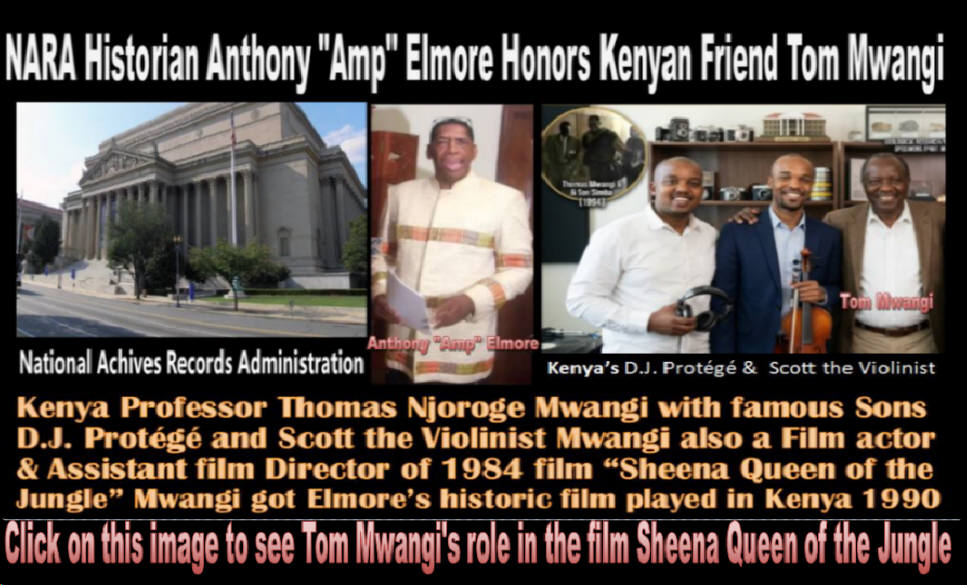
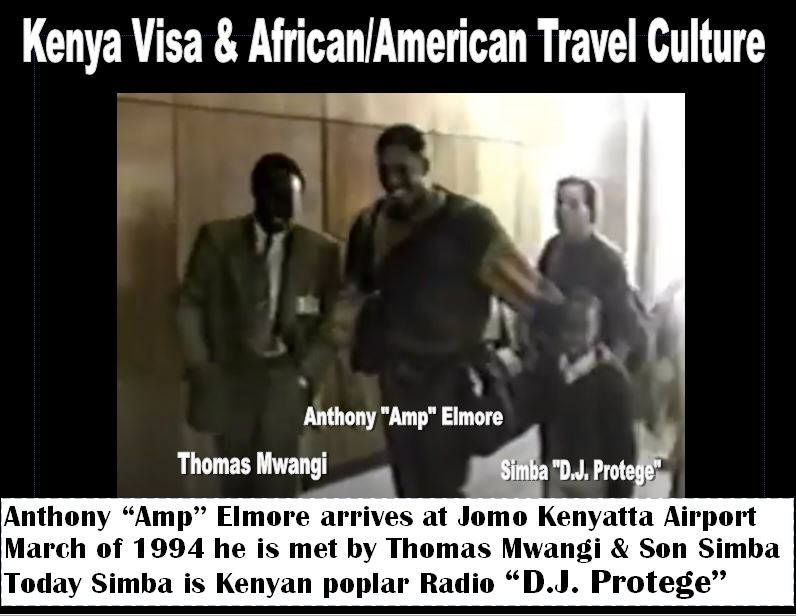
In July 1990, five-time World Heavyweight Kickboxing Champion and independent filmmaker Anthony "Amp" Elmore touched down at Jomo Kenyatta International Airport in Nairobi to a thunderous hero’s welcome. Against all odds, an independent African American creator had successfully brought his 1988 feature film, *The Contemporary Gladiator*, to premiere across the commercial theaters of an African nation. In an era when distributing independent Black cinema internationally was nearly impossible, this triumph was not born of corporate Hollywood machinery or state-level bureaucracy. It was forged through an extraordinary brotherhood, mutual resilience, and the relentless brilliance of a true Kenyan renaissance man: **Thomas Njoroge Mwangi**.
The catalyst began in May 1989, when the Memphis in May International Festival honored the Republic of Kenya as its featured nation. Beale Street was transformed into a bustling open-air African market lined with authentic crafts, music, and delegations. Among those arriving from Nairobi was Tom Mwangi, a visionary filmmaker, cultural diplomat, and polymath. Mwangi had staked his entire life savings on a one-way ticket to Memphis, carrying crates of Kenyan handicrafts to sell. His mission was focused and ambitious: raise enough travel funds to reach the prestigious Denver International Film Festival in Colorado and pitch a global blueprint to establish Kenya as the undisputed film production capital of Africa.
Fate intervened when fellow Kenyan Jarred Okoth introduced Mwangi to Elmore at his Memphis home. What began as a meeting of artistic minds quickly turned into a test of brotherhood. Entrusting his handicraft shipment to a Kenyan official named Dr. Sasaki, Mwangi found himself betrayed when the goods were seized and vanished. Stranded thousands of miles from home with no money, Mwangi was temporarily placed in a dorm room at Christian Brothers College. In a dramatic moment worthy of a movie script, Mwangi slipped his bags out of the window and turned to Elmore for refuge.
Though facing his own formidable personal and financial battles, Elmore opened his doors and took Mwangi into his home. For eight months, from May to December 1989, the two lived, worked, and strategized side by side in Memphis.
Thomas Njoroge Mwangi was no ordinary traveler; he was a living institution of culture and cinema. A former principal dancer with the world-renowned *Bomas of Kenya*, Mwangi had mastered more than 50 traditional African dance forms and toured the globe. While residing in Memphis, he shared this heritage with the community, teaching African dance workshops alongside Levi Frazier through the Blues City Cultural Center. When Elmore invited him to a local Soka Gakkai Buddhist meeting, Mwangi astonished the room by conversing in fluent Japanese, a skill acquired during his international tours.
Yet, to earn the necessary funds to reach Colorado, this seasoned film veteran—credited in the International Movie Database (IMDb) as a Second Unit Casting Director on Sydney Pollack’s Oscar-winning *Out of Africa* (starring Robert Redford and Meryl Streep) and an actor and assistant director on *Sheena: Queen of the Jungle* (1984)—humbly performed grueling manual landscaping labor across Memphis.
Despite encountering systemic nepotism within bureaucratic film circles back home, Mwangi reached Colorado, presented his vision, and returned to Nairobi in December 1989 with a solemn promise: *he would bring Anthony "Amp" Elmore and his film to Kenya.*
Mwangi kept his word. In July 1990, through Mwangi’s direct negotiations with local distributors and state authorities, *The Contemporary Gladiator* officially premiered in Kenya. This milestone achieved three world-first historical distinctions:
The First Industrial Trade Deal** between an African government/commercial entity and an independent African American enterprise.
The First Kickboxing Theatrical Feature in world cinematic history.
The First Buddhist Biopic brought to the commercial screen.
Mwangi coordinated with the Kenya film apparatus to host Elmore and his production crew on a luxury Kenyan safari that permanently reshaped Elmore’s worldview and creative mission.
The brotherhood did not stop at the cinema box office. Together, Elmore and Mwangi formally introduced the sport of kickboxing to the Kenyan public. In 1994, Elmore produced the landmark travelogue *African Americans on a Kenya Safari*, and in December of that same year, the duo produced a historic live soul music concert at the prestigious Grand Regency Hotel in Nairobi.
The story of Anthony "Amp" Elmore and Tom Mwangi is a living testament to what authentic cultural diplomacy looks like: two men from opposite sides of the Atlantic who turned personal adversity into an enduring transatlantic legacy of art, commerce, and sovereign kinship.
In July 1990, five-time World Heavyweight Kickboxing Champion and independent filmmaker Anthony "Amp" Elmore touched down at Jomo Kenyatta International Airport in Nairobi to a thunderous hero’s welcome. Against all odds, an independent African American creator had successfully brought his 1988 feature film, *The Contemporary Gladiator*, to premiere across the commercial theaters of an African nation. In an era when distributing independent Black cinema internationally was nearly impossible, this triumph was not born of corporate Hollywood machinery or state-level bureaucracy. It was forged through an extraordinary brotherhood, mutual resilience, and the relentless brilliance of a true Kenyan renaissance man: **Thomas Njoroge Mwangi**.
The catalyst began in May 1989, when the Memphis in May International Festival honored the Republic of Kenya as its featured nation. Beale Street was transformed into a bustling open-air African market lined with authentic crafts, music, and delegations. Among those arriving from Nairobi was Tom Mwangi, a visionary filmmaker, cultural diplomat, and polymath. Mwangi had staked his entire life savings on a one-way ticket to Memphis, carrying crates of Kenyan handicrafts to sell. His mission was focused and ambitious: raise enough travel funds to reach the prestigious Denver International Film Festival in Colorado and pitch a global blueprint to establish Kenya as the undisputed film production capital of Africa.
Fate intervened when fellow Kenyan Jarred Okoth introduced Mwangi to Elmore at his Memphis home. What began as a meeting of artistic minds quickly turned into a test of brotherhood. Entrusting his handicraft shipment to a Kenyan official named Dr. Sasaki, Mwangi found himself betrayed when the goods were seized and vanished. Stranded thousands of miles from home with no money, Mwangi was temporarily placed in a dorm room at Christian Brothers College. In a dramatic moment worthy of a movie script, Mwangi slipped his bags out of the window and turned to Elmore for refuge.
Though facing his own formidable personal and financial battles, Elmore opened his doors and took Mwangi into his home. For eight months, from May to December 1989, the two lived, worked, and strategized side by side in Memphis.
Thomas Njoroge Mwangi was no ordinary traveler; he was a living institution of culture and cinema. A former principal dancer with the world-renowned *Bomas of Kenya*, Mwangi had mastered more than 50 traditional African dance forms and toured the globe. While residing in Memphis, he shared this heritage with the community, teaching African dance workshops alongside Levi Frazier through the Blues City Cultural Center. When Elmore invited him to a local Soka Gakkai Buddhist meeting, Mwangi astonished the room by conversing in fluent Japanese, a skill acquired during his international tours.
Yet, to earn the necessary funds to reach Colorado, this seasoned film veteran—credited in the International Movie Database (IMDb) as a Second Unit Casting Director on Sydney Pollack’s Oscar-winning *Out of Africa* (starring Robert Redford and Meryl Streep) and an actor and assistant director on *Sheena: Queen of the Jungle* (1984)—humbly performed grueling manual landscaping labor across Memphis.
Despite encountering systemic nepotism within bureaucratic film circles back home, Mwangi reached Colorado, presented his vision, and returned to Nairobi in December 1989 with a solemn promise: *he would bring Anthony "Amp" Elmore and his film to Kenya.*
Mwangi kept his word. In July 1990, through Mwangi’s direct negotiations with local distributors and state authorities, *The Contemporary Gladiator* officially premiered in Kenya. This milestone achieved three world-first historical distinctions:
The First Industrial Trade Deal** between an African government/commercial entity and an independent African American enterprise.
The First Kickboxing Theatrical Feature in world cinematic history.
The First Buddhist Biopic brought to the commercial screen.
Mwangi coordinated with the Kenya film apparatus to host Elmore and his production crew on a luxury Kenyan safari that permanently reshaped Elmore’s worldview and creative mission.
The brotherhood did not stop at the cinema box office. Together, Elmore and Mwangi formally introduced the sport of kickboxing to the Kenyan public. In 1994, Elmore produced the landmark travelogue *African Americans on a Kenya Safari*, and in December of that same year, the duo produced a historic live soul music concert at the prestigious Grand Regency Hotel in Nairobi.
The story of Anthony "Amp" Elmore and Tom Mwangi is a living testament to what authentic cultural diplomacy looks like: two men from opposite sides of the Atlantic who turned personal adversity into an enduring transatlantic legacy of art, commerce, and sovereign kinship.